%2Ffit-in%2F250x250%2Fguide_websites%2F132857%2Fimages%2F1778129267723logo.png&w=1920&q=100)
Silk Snapper Fishing in Punta Cana
Silk Snapper Fishing in Punta Cana - What to Expect
%2F%2Fusers%2Fb07f092f-68a1-43b0-88b3-3453fda403aa%2Fimages%2Fsilk-snapper-punta-cana-fishing-2588.jpg&w=1920&q=75)
Fishing Charter by Captain Bolivar Batista in October
%2F%2Ffit-in%2F320x320%2Fnull&w=1920&q=100)
%2F%2Ffit-in%2F150x150%2Fnull&w=256&q=95)
- Punta Cana Deep Sea Fishing Charters


Summary
Drop lines on a fishing charter in Punta Cana and experience the thrill of landing silk snapper on Monday, October 5th. This offshore pursuit combines pristine Caribbean waters with hard-hitting action that keeps your rod bending and adrenaline pumping throughout the day.
Silk Snapper Fishing with Captain Bolivar Batista - Rates & Booking
Captain Bolivar Batista of Deep Sea Charter Punta Cana delivered explosive results on Monday, October 5th, bringing silk snapper action to life on this high-energy fishing charter. The experience showcases what serious offshore fishing looks like in Punta Cana's prime fishing grounds. Contact Deep Sea Charter Punta Cana to lock in your charter date and prepare for non-stop action on the water.
Highlights of This Fishing Charter
This charter crushed it with consistent silk snapper strikes that had the deck jumping. Multiple quality fish lined the boat, showcasing the abundance and aggressive nature of silk snapper in these waters. The pristine Caribbean conditions and direct access to productive offshore structure made every cast count.
Punta Cana's deep water ledges and reefs concentrate silk snapper populations year-round, creating the perfect setup for fast-paced fishing. When the bite is on like this, the energy is electric - multiple hookups, screaming reels, and the relentless power of these hard-fighting fish.
Local Species Insights: Silk Snapper
Silk snapper tear through the water column with incredible aggression, making them one of the most explosive deep-water targets in the Caribbean. These fish inhabit rocky reefs and ledges at depths ranging from 150 to 400 feet, where they hunt baitfish with ferocious intensity. What makes silk snapper so thrilling is their refusal to quit once hooked - they run hard, dive deep, and battle with relentless power all the way to the boat.
The coloring that gives silk snapper their name - a subtle shimmering finish along their sides - becomes visible as they approach the surface, adding another visual element to the chase. These fish average 3 to 6 pounds but pack muscle and attitude that far exceeds their size. In Punta Cana's offshore environment, silk snapper thrive in the cooler, oxygen-rich waters where continental shelves drop dramatically. The structure surrounding the fishing grounds creates natural feeding zones where these predators concentrate, making them predictable targets for experienced anglers.
Their feeding behavior peaks during mid-morning and late afternoon windows, when baitfish activity intensifies in the water column. Silk snapper respond aggressively to vertical jigging presentations and live bait offerings, making every drop a potential strike. The combination of their aggressive nature, abundance in these waters, and willingness to bite consistently makes them ideal targets for anglers seeking pure fishing action.
Plan Your Fishing Day
Charter fishing in Punta Cana follows a proven rhythm designed to maximize hookups and put you in front of active fish. Your day begins with an offshore run to established silk snapper grounds, where Captain Bolivar positions the boat over productive structure. The charter format accommodates your fishing style - whether you prefer vertical jigging, live bait, or conventional deep-dropping techniques.
Punta Cana's stable Caribbean weather and calm offshore conditions create ideal fishing windows throughout most seasons. The boat setup puts you in direct contact with the action, with plenty of deck space and access to proven tactics. Expect consistent opportunities from early morning through late afternoon, with the most aggressive silk snapper activity during peak feeding periods.
Fishing in Punta Cana: Silk Snapper
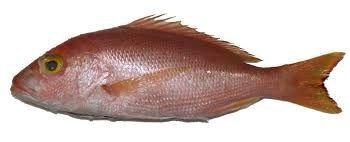
Silk Snapper Overview
The Silk Snapper (Lutjanus vivanus) is a captivating deep-ocean species belonging to the Lutjanidae family and the order Perciformes. Known for its striking warm coloration ranging from brilliant red to soft pink, this snapper is far more valuable as a commercial and culinary prize than as a game fish. What truly sets the Silk Snapper apart from its snapper cousins is its distinctive yellow iris—a feature that makes identification straightforward for seasoned anglers and marine enthusiasts alike. Found abundantly in the Gulf of Mexico and throughout the Western Atlantic, this species has earned a reputation not just for its beauty, but for the exceptional quality of its meat, making it a sought-after target for those willing to venture into deeper waters.
Silk Snapper Habitat and Distribution
The Silk Snapper thrives in the deep, dark waters of the ocean, making its home at considerable depths. During daylight hours, these fish inhabit depths between 400 to 500 feet, retreating to the ocean's depths to escape sunlight and predation. However, they exhibit fascinating nocturnal behavior, swimming toward shallower waters as evening falls—a migration pattern that savvy anglers have learned to exploit. Geographically, the Silk Snapper boasts an impressive range across the Western Hemisphere. It is commonly encountered throughout the Gulf of Mexico, particularly near Florida's coastal waters, and extends northward along the Atlantic coast to North Carolina. The Caribbean, Bahamas, and the Antilles host significant populations, with some specimens found in deeper zones reaching 500 to 800 feet. The species' range even extends southward to tropical and subtropical waters around Bermuda and as far south as São Paulo, Brazil, making it a truly pan-Atlantic resident.
Silk Snapper Size and Weight
Understanding the size range of the Silk Snapper is crucial for both commercial and recreational fishing success. Typical adult specimens measure around 17 inches in length, providing a respectable catch for most anglers. However, these fish have the potential to grow considerably larger, with maximum recorded lengths reaching 32 inches—nearly double the average size. Younger Silk Snappers are noticeably smaller, generally measuring around 9 inches when encountered in deeper waters. In terms of weight, the species can achieve impressive heft, with the maximum published weight recorded at 18.3 pounds. This size-to-weight ratio demonstrates the robust, well-muscled build of this deep-water predator, making each catch a substantial and satisfying experience for anglers targeting the Gulf of Mexico.
Silk Snapper Diet and Behavior
The Silk Snapper is an opportunistic carnivore with a diverse and fascinating diet. These deep-water hunters actively prey upon smaller fish species, crustaceans including crabs and shrimp, and an array of soft-bodied marine organisms such as cephalopods, gastropods, urochordates, and tunicates. One notable anatomical feature related to their feeding behavior is their enlarged canine teeth on the upper jaw, which provide an effective grip on slippery prey in the darkness of the deep ocean. The species exhibits clear behavioral patterns tied to depth and light cycles. By day, they remain in the depths where pressure and darkness provide security. As evening approaches and darkness falls across the surface waters, the Silk Snapper begins its vertical migration upward, taking advantage of nighttime to hunt in relatively shallower zones before descending again at dawn. This predictable behavior pattern has made them targets for both commercial operations and sport anglers who time their efforts accordingly. Their impressive lifespan of up to 33 years allows these fish to accumulate considerable size and experience over their lives.
Silk Snapper Spawning and Seasonal Activity
Like many deep-sea species, the Silk Snapper has specific spawning periods that warrant attention from anglers and commercial fishers alike. Regulatory bodies in various states have established prohibitions on Silk Snapper fishing during spawning seasons to ensure population sustainability and genetic diversity. The exact timing of these closures varies by location and local marine management policies, making it essential for anglers to check current regulations before planning a fishing expedition. The spawning cycle influences overall fish behavior, with reproductive activities potentially concentrating populations in specific areas during certain times of year. Beyond spawning, the species shows seasonal variations in abundance based on water temperature, food availability, and migration patterns. The most predictable and productive fishing periods occur during evening and early morning hours when these snappers transition between deep and shallow zones, creating an accessible window for anglers equipped with appropriate deep-sea fishing gear.
Silk Snapper Techniques for Observation and Capture
Deep-Sea Fishing Method: Capturing a Silk Snapper requires commitment to deep-sea fishing, as no other conventional angling approach proves effective for this deep-dwelling species. To successfully target these fish in the Gulf of Mexico and beyond, anglers must employ specialized equipment including electronic rods or motorized winches, particularly when fishing at depths of 400-500 feet or greater. The most productive baits include fresh kahawai, mackerel, mullet, shellfish, squid, and crabs—collectively known as soft baits. The critical technique lies in presentation: rather than impaling the bait firmly on the hook, allow it to move freely and appear as natural as possible to entice feeding snappers. Non-stainless steel hooks work best with these natural baits, as they don't spook fish-sensitive species. Fish during the evening hours just after sunset or in the early morning before dawn, when these snappers migrate toward shallower waters and become more accessible to anglers.
Location-Specific Tip: Around the Gulf of Mexico, particularly near Florida's deeper offshore zones, charter boats regularly access prime Silk Snapper habitat. Local fishing guides familiar with the region's bathymetry and seasonal patterns can dramatically increase success rates by positioning boats directly over known snapper aggregations at the optimal times.
Commercial Approach: Commercial fishers targeting larger volumes typically employ electronic navigation systems to locate deep-water structures and snapper populations, using motorized winches to deploy and retrieve multiple lines simultaneously across the 400-800 foot depth range where these fish congregate.
Silk Snapper Culinary and Utilization Notes
The Silk Snapper's reputation in the culinary world is well-deserved, earning it status as an excellent food fish with outstanding odds for quality meat. Anglers and chefs alike praise the delicate, flavorful flesh that justifies the effort required to catch this species. Interestingly, a widely held belief among fishing communities suggests that the deeper the water from which a Silk Snapper is caught, the tastier the resulting meat—a testament to the quality of prey and conditions in ultra-deep zones. The flesh is typically white, tender, and versatile in the kitchen, lending itself to numerous preparation methods from simple pan-searing to elaborate culinary applications. It's worth noting that while extremely rare, Silk Snappers have been connected to ciguatoxin poisoning in isolated cases, though this association remains uncommon and should not deter consumption of responsibly sourced specimens. Commercial and recreational harvests remain popular throughout the species' range, and the meat commands premium prices in seafood markets.
Silk Snapper Frequently Asked Questions
Q: What is the best bait for catching Silk Snapper?
A: Fresh soft baits work best, including kahawai, mackerel, mullet, shellfish, squid, and crabs. The key is to present the bait so it moves naturally on the hook rather than being tightly impaled, making it appear as lifelike as possible to attract feeding fish in the deep-water environment.
Q: Where can I find Silk Snapper near the Gulf of Mexico?
A: The Gulf of Mexico, particularly offshore Florida, hosts abundant Silk Snapper populations at depths of 400-500 feet during the day. Charter boat services based in Florida ports provide regular access to these deep-water habitats, with the most productive zones often located 20-40 miles offshore.
Q: Is Silk Snapper good to eat?
A: Absolutely—Silk Snapper ranks among the finest food fish, prized for its delicate, flavorful white meat. Many anglers believe that specimens caught from greater depths offer superior taste, and the meat is versatile for numerous cooking methods.
Q: When is the best time to catch Silk Snapper?
A: Fish during evening hours just after sunset or in the early morning before sunrise, when these deep-dwelling snappers migrate toward shallower waters and become more accessible. Check local regulations, as some areas prohibit fishing during spawning seasons.
Q: What fishing gear do I need for Silk Snapper?
A: You'll need specialized deep-sea fishing equipment including electronic rods, heavy-duty reels, motorized winches for depths of 400-500 feet or more, and strong non-stainless steel hooks. Most anglers pursue Silk Snapper aboard charter boats equipped with proper deep-sea gear.
Q: How long do Silk Snappers live?
A: Silk Snappers can live up to 33 years in the ocean, allowing them to reach impressive sizes and accumulate considerable biomass—a testament to their value in both commercial and recreational fisheries.